
We are designed to encounter this life with amazement and wonder, not resignation and endurance. This is at the very heart of our grief and sorrow. The dream of full-throated living, woven into our very being, has often been forgotten and neglected, replaced by a societal fiction of productivity and material gain. This is part of the work of honoring our grief …When we fully honor our many losses, our lives become more fully able to embody the wild joy that aches to leap from our hearts into the world. – Francis Weller
Category: Uncategorized
Wintergreen Garden
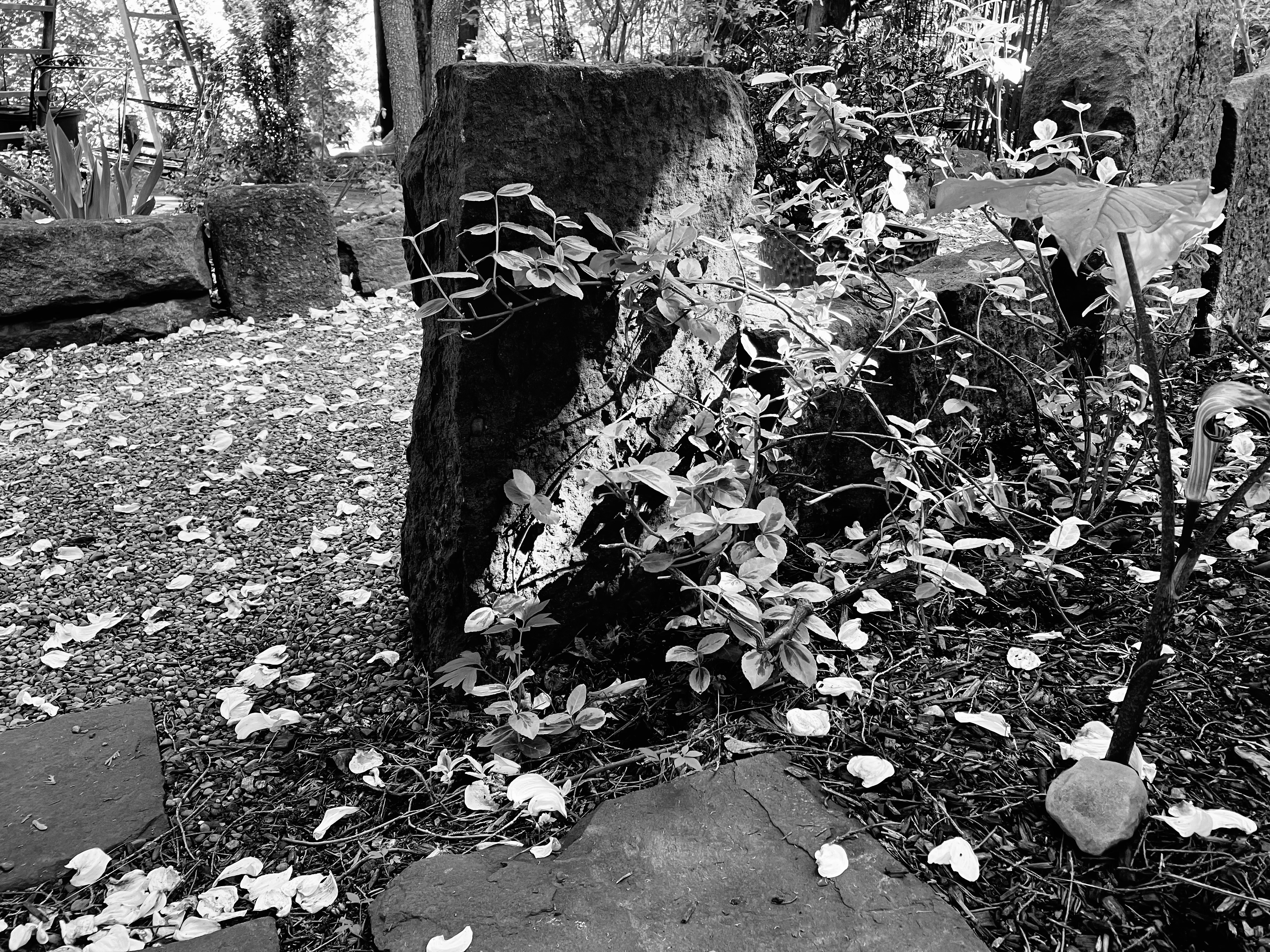
Stone with Cast Shadow
Infinite Hope
 “Thank You! We must accept finite disappointment, but we must never lose infinite hope. “
Deep Reflections

Happy Birthday, Mom!
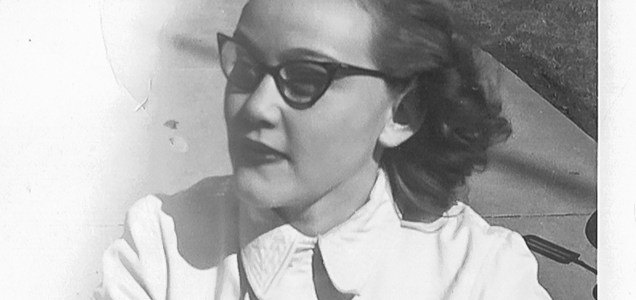
My mom, Mary Geraldyne Severance Rivard, was born April 7th, 1925, in Casper, Wyoming. She died July 13th, 2015, and today would be ninety-seven years old. Her Memorial Service took place August 15, 2015 in Glenwood City, Wisconsin and was attended by many friends and relatives, whom I hadn’t seen for years.
My mom was smart, very smart. Valedictorian of her high school class from Turtle Lake, Wisconsin, she got a music scholarship to Macalester College in St. Paul, Minnesota, but didn’t complete her degree because she fell in love with my dad, married and moved to Milwaukee, Wisconsin, where he finished his law degree. They soon settled in the town where they raised seven children, and where my father practiced law.
When my mom was unable to have anymore children she decided to return to college at the University of Wisconsin River Falls UWRF. She pursued a degree in Art Making and Education and eventually got a teaching position at New Richmond, Wisconsin. She was an accomplished artist in all mediums, and a highly admired teacher. Her students loved her so much they called her Ma Art which was shortened to Mart. When I was in the first grade she returned to college. Having a working mom meant I had to make my own lunch, which didn’t always happen. In spite of the hardship, I was proud of her effort to pick up the pieces and go back to school and to work. She got up every morning and drove one half hour in the ice and snow to New Richmond High School. An accomplished teacher, she set up a student teacher program through UWRF and mentored many young artists and budding teachers. Not only that, the variety and creativity that flowed from her own students was astounding.
Mary continued to love music. My cousin John heard her sing Silent Night at St. Anne’s in Turtle Lake, and said she sounded like an angel. As a member of the community she served as choir master of the St. John’s congregation in Glenwood, as well as artist of the church creating banners to be hung on the main altar for the liturgical seasons. A multitalented person, we have in our possession today, many paintings and objects of art she made.
As a person Mary advocated for people who suffered due to a lack of opportunities. She abhorred racism and any forms of injustice committed against people who weren’t part of the in-crowd, so to speak. A free spirit, one of her favorite poems was the following by Robert Frost.
I shall be telling this with a sigh
Somewhere ages and ages hence:
Two roads diverged in the wood, and I,
I took the one less traveled by,
And that has made all the difference.
My mom will be remembered for her loving and generous spirit, for her gifted hands and clarity of mind, and above all for her undying patience in the midst of the storm. And though she isn’t physically on this earth, her presence is felt in every footstep I take, for she is the one who taught me to walk.
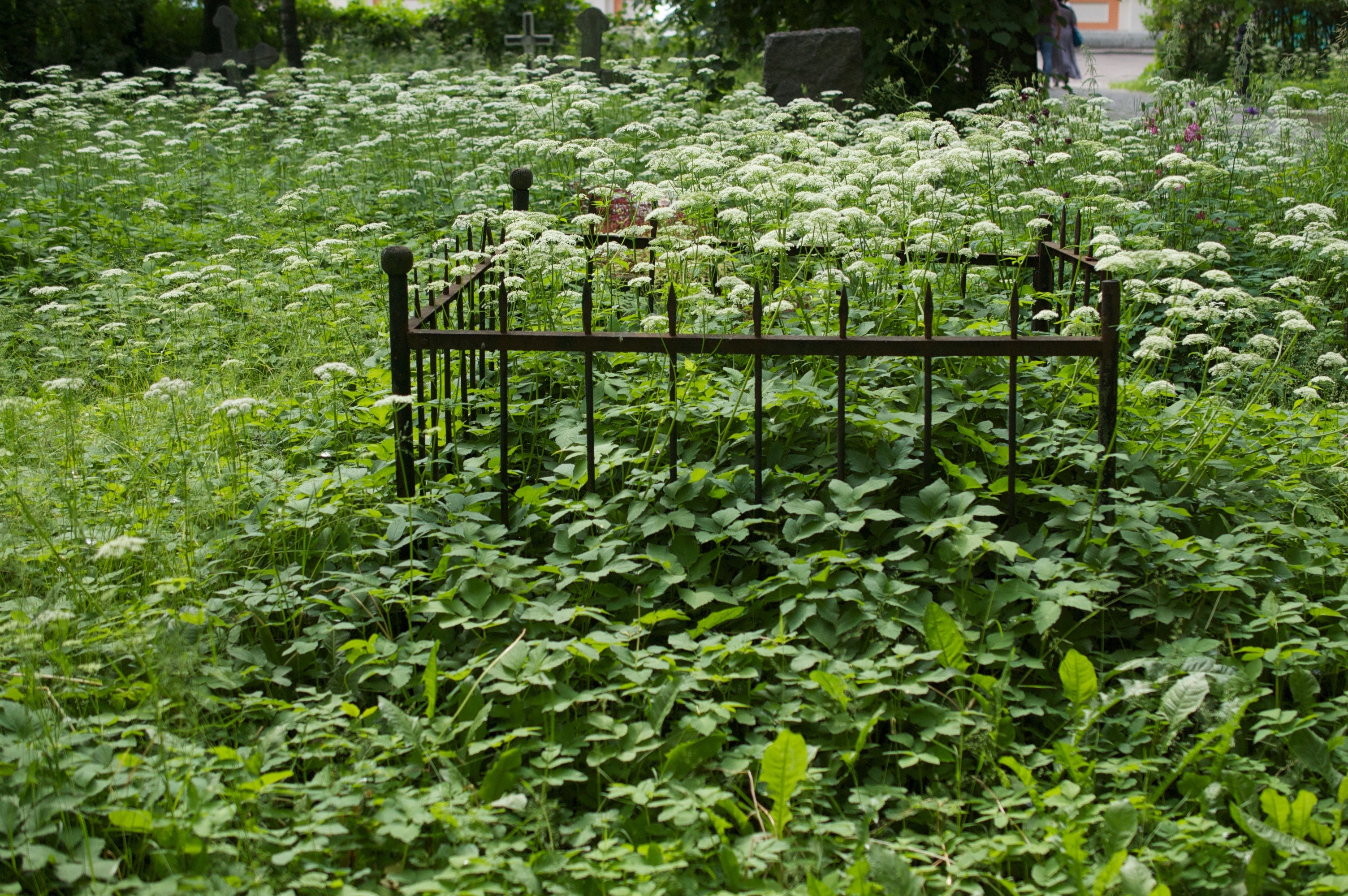
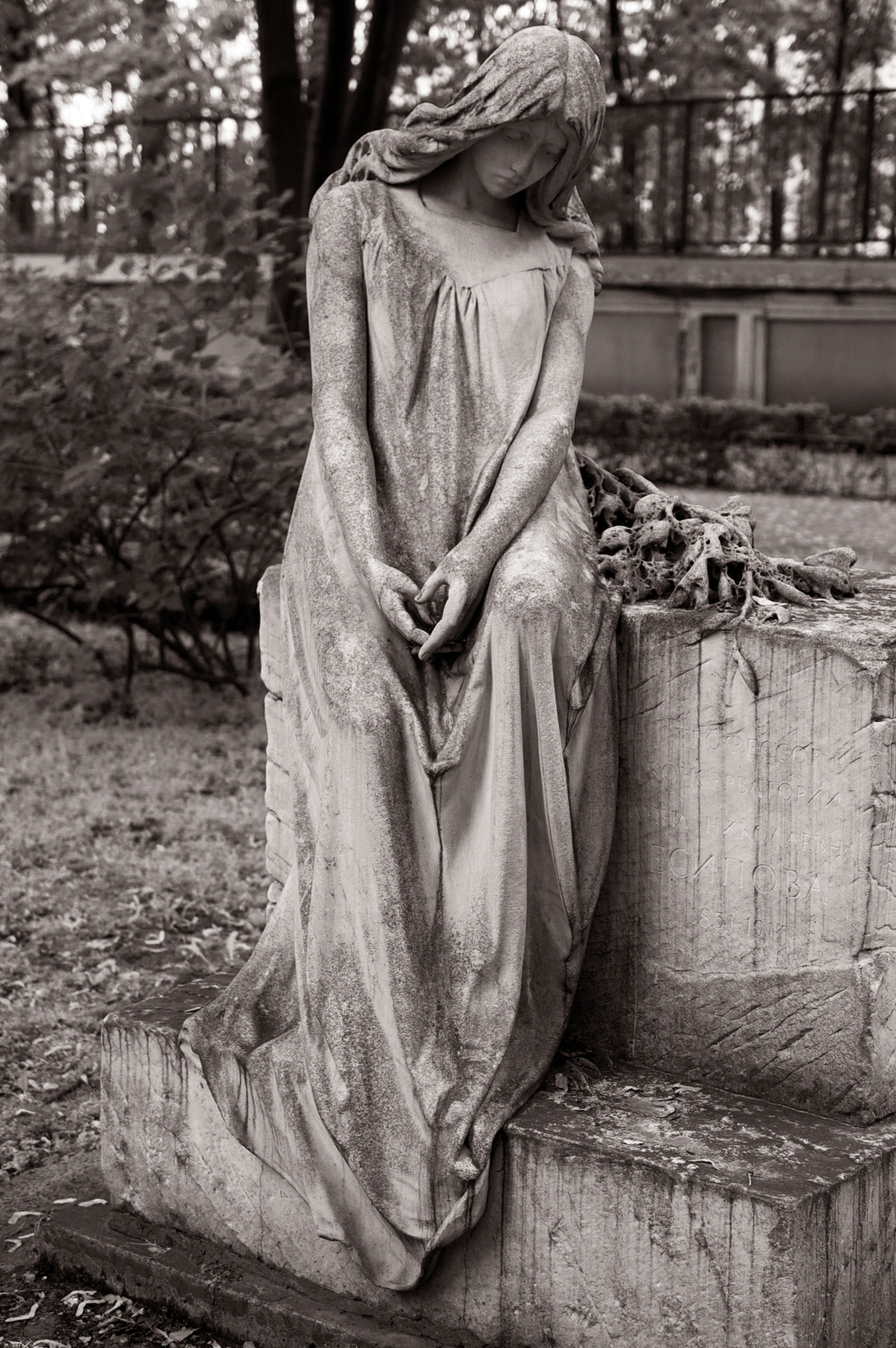
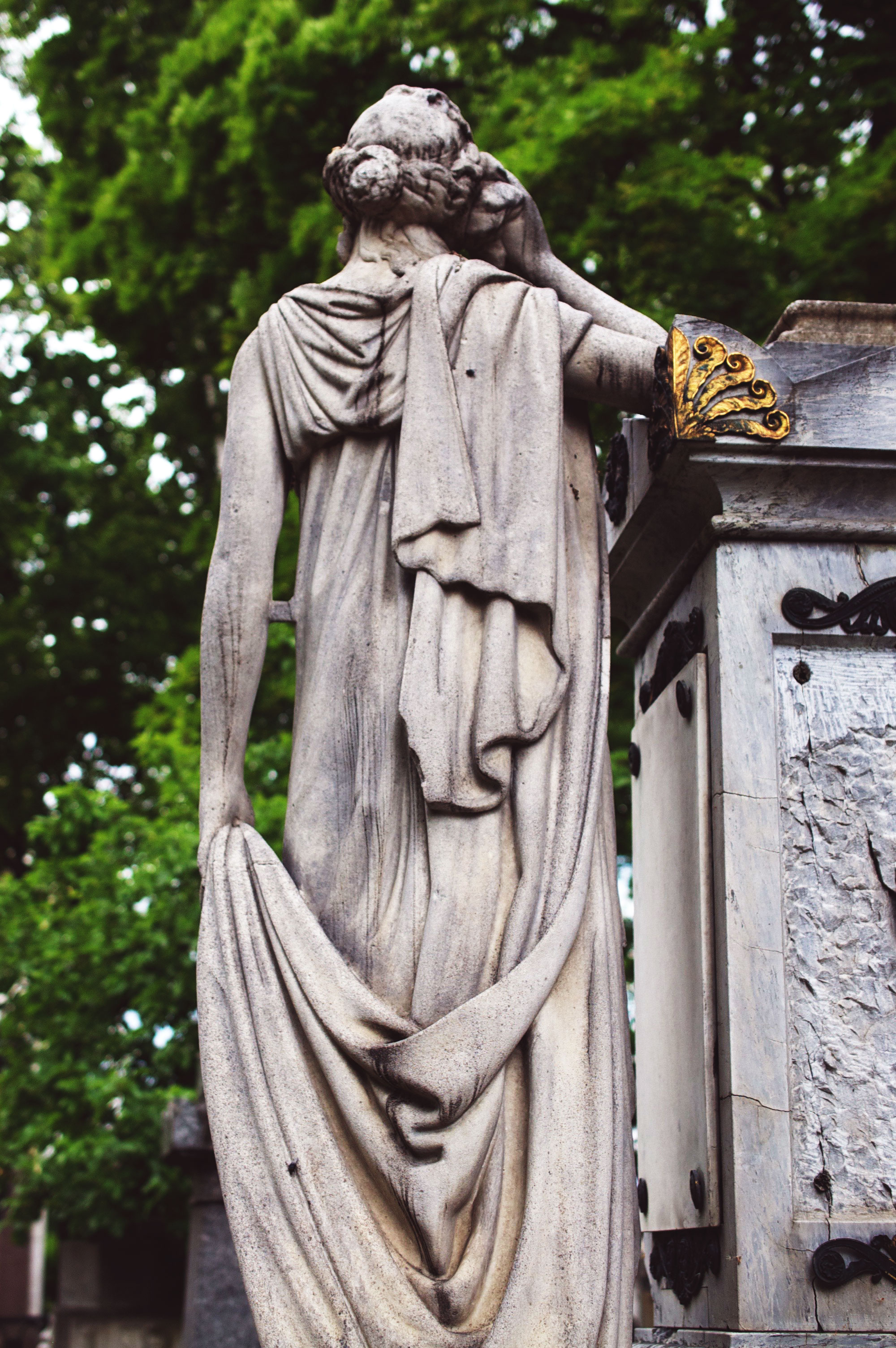
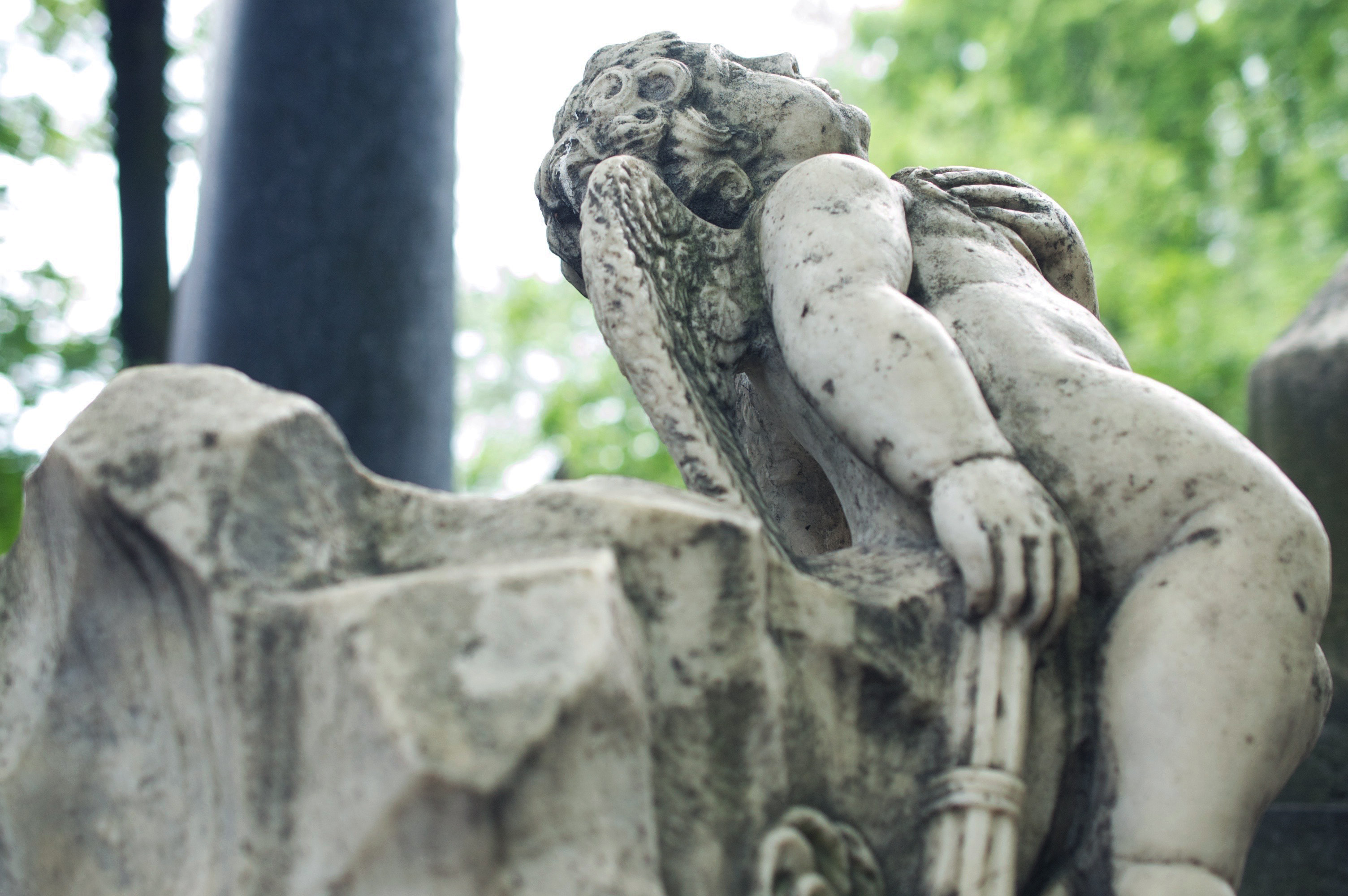
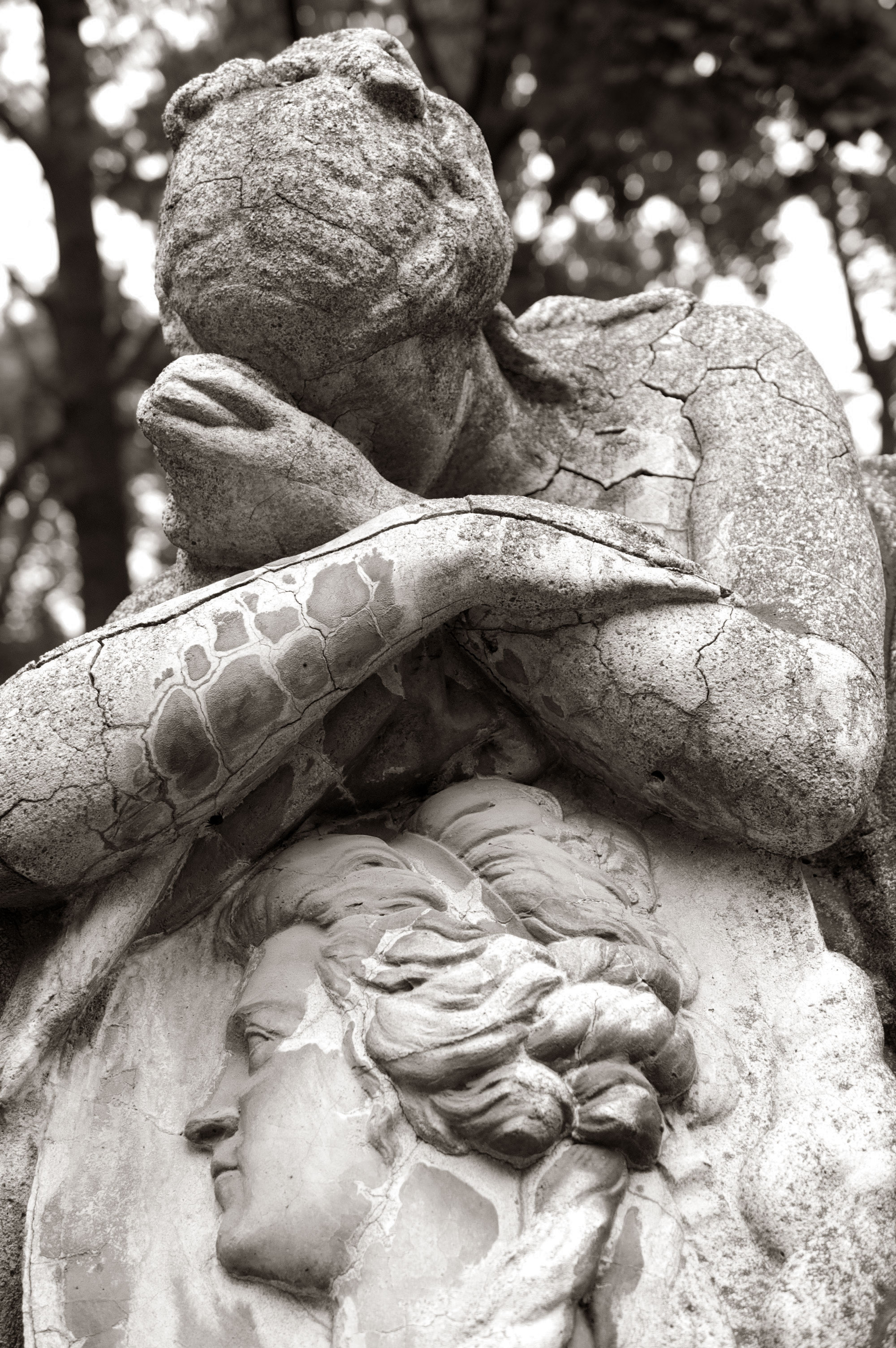
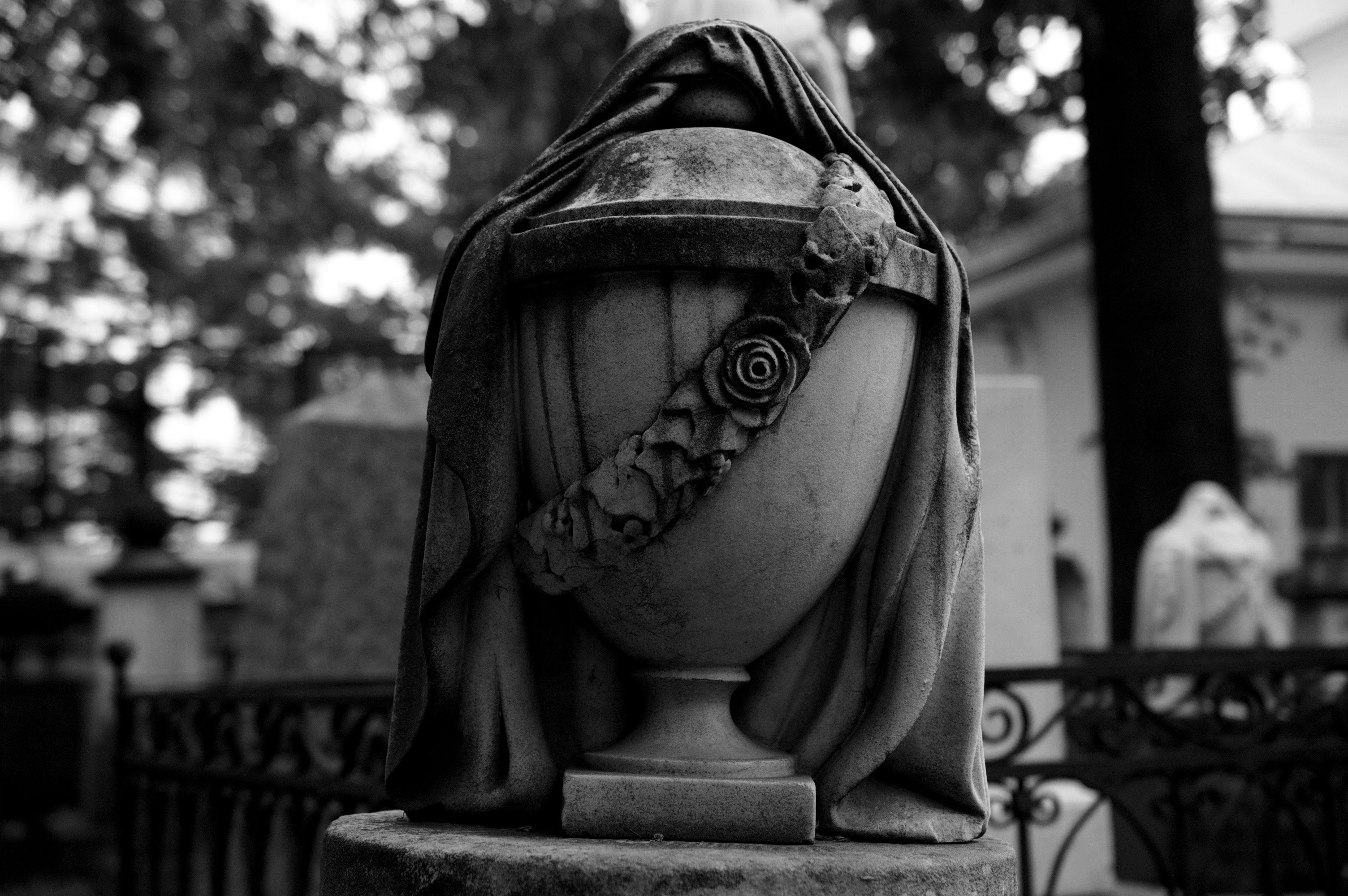
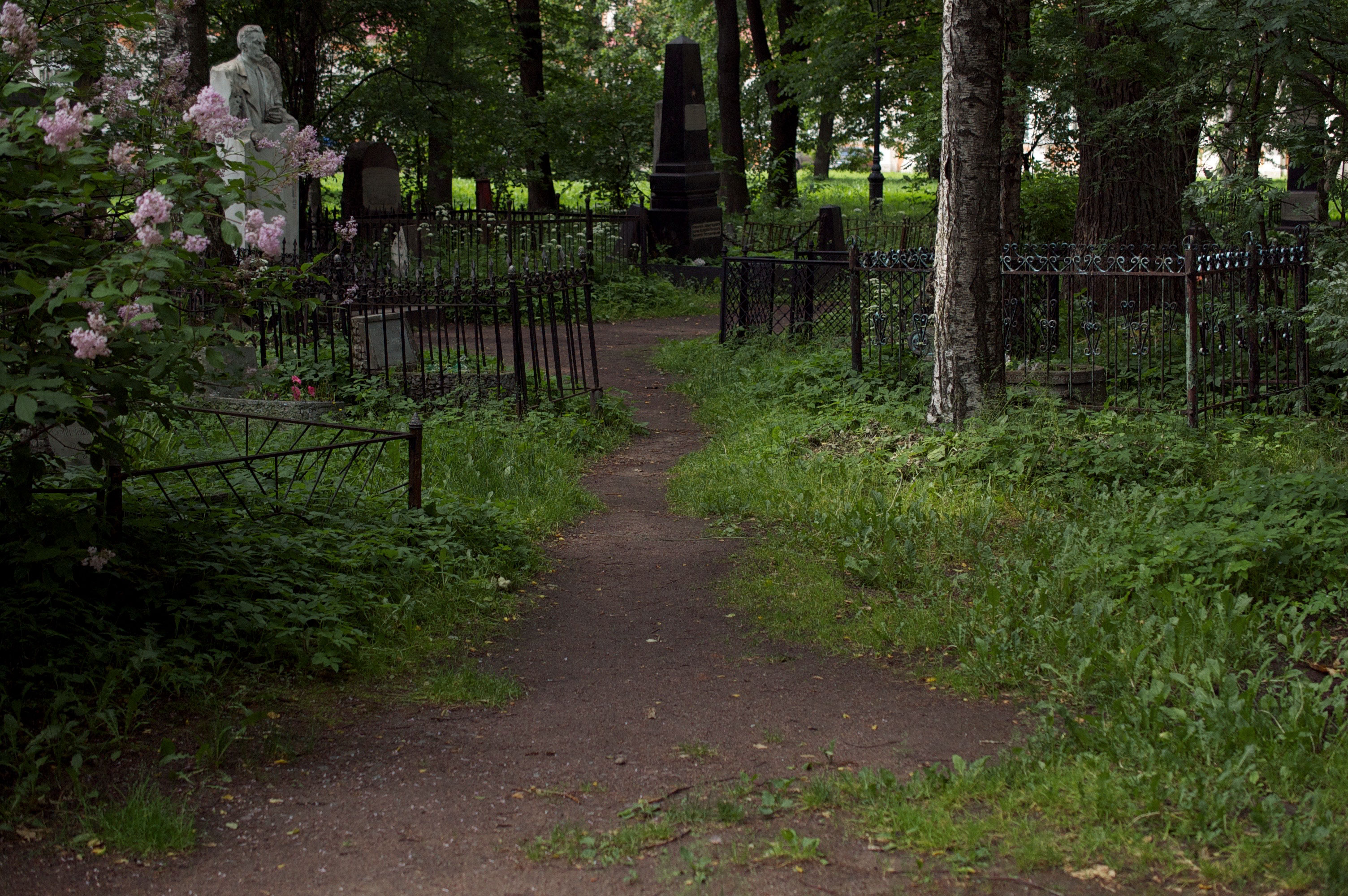
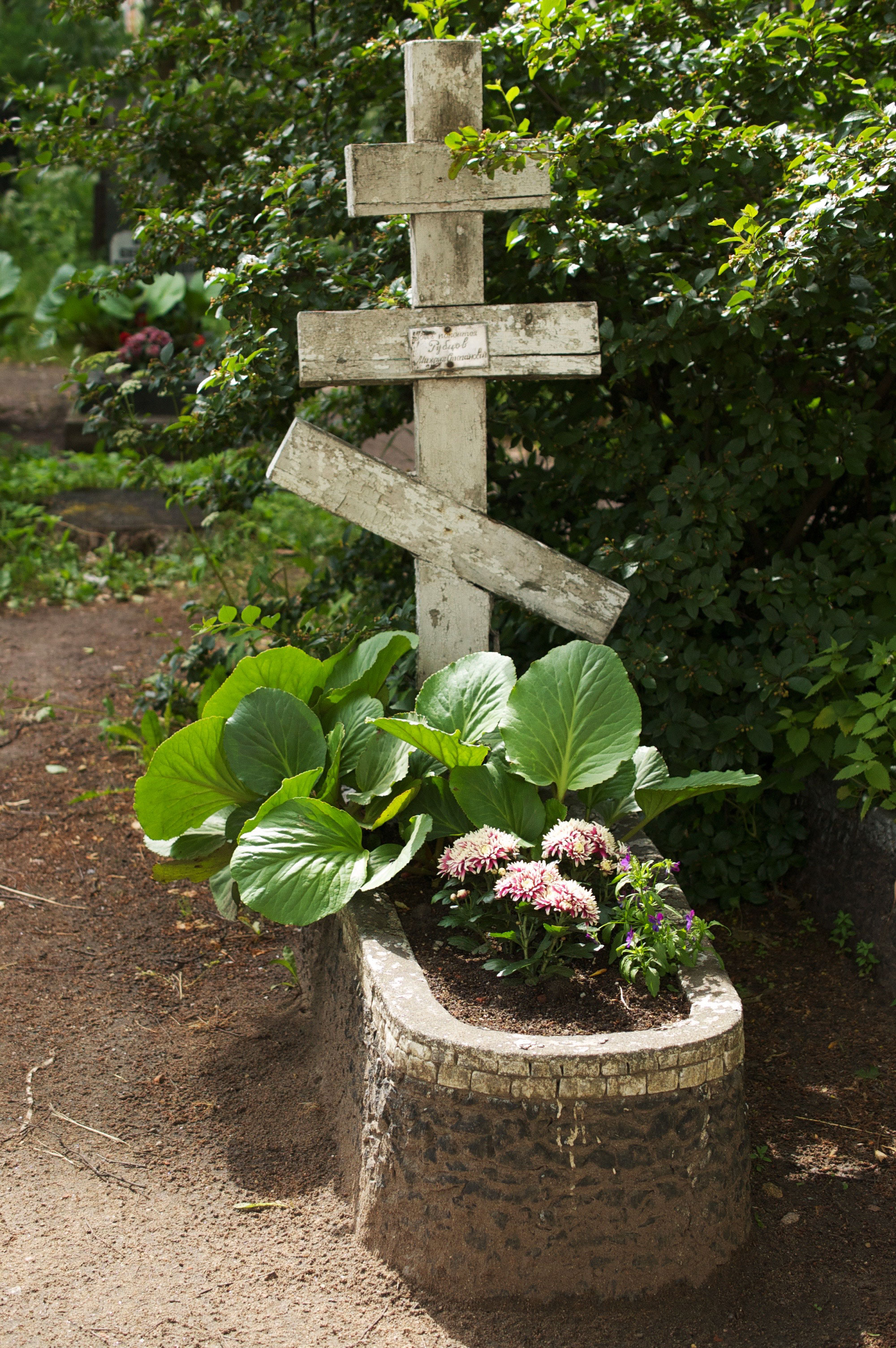
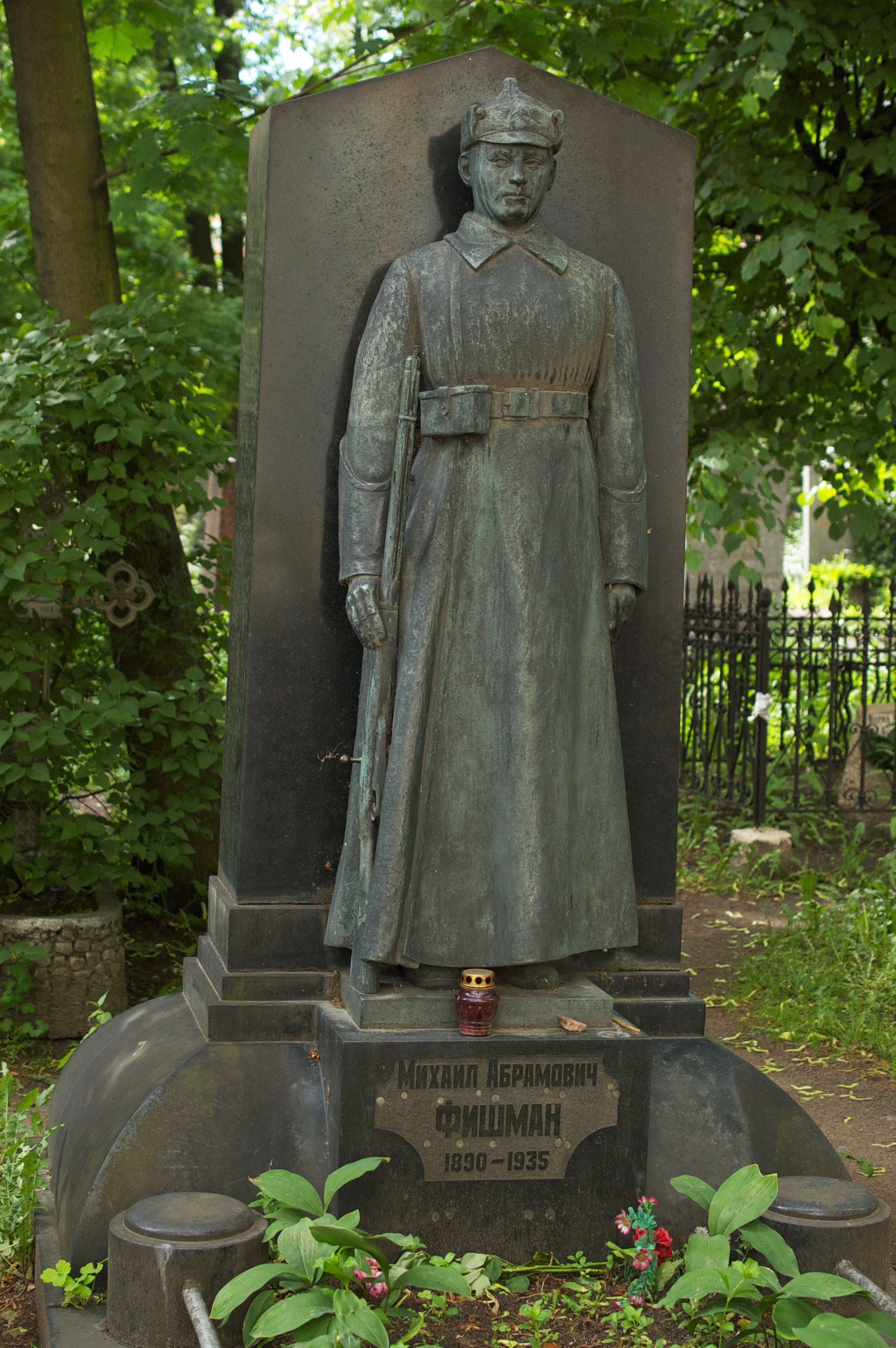
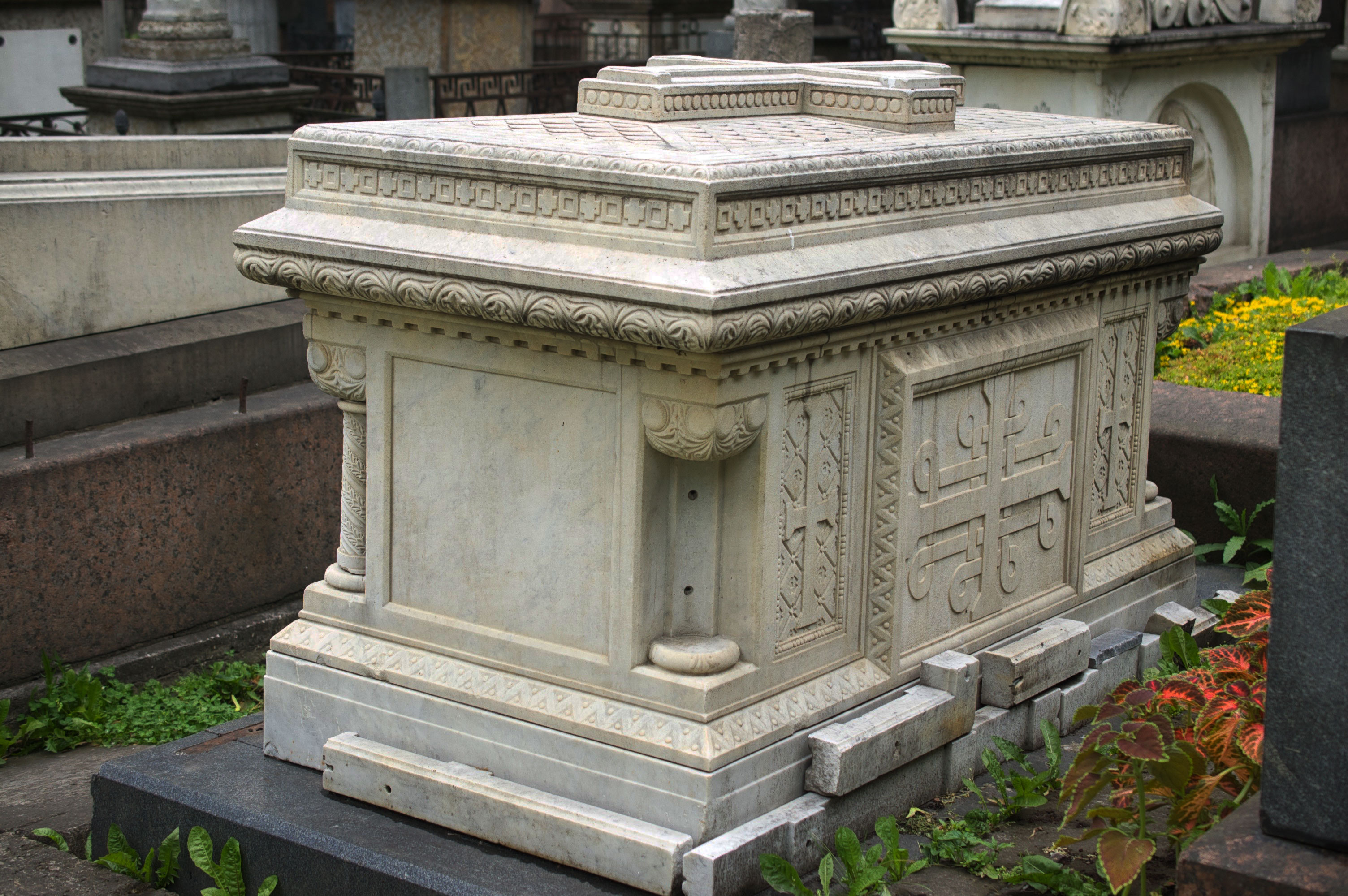
Cemetery at the Alexander Nevsky Monastery

The Alexander Nevsky Monastery is located in St. Petersburg, Russia. The surrounding grounds contain four sections of cemeteries and is an extensive compound of open spaces with broken crosses, areas with impressive funerary sculptures, a section for academics, writers and intellectuals, and a section for Communists. The monastery is named for the Medieval prince, Alexander Nevsky a Russian hero who lived from 1221 to 1263. Nevsky was canonized a Saint in the Russian Orthodox Church.
Please click on the image to view the gallery.








Belles of New England, via Quebec


Ten months ago in May of 2021, I was reading a book called “Belles of New England,” by William Moran. I selected this book out of respect for my Great Grandmother, Emilie LaHaie, who migrated to Maine around 1873 with her parents, two brothers, and sisters. In the photo above Emilie is standing second to the left in the back with her seven sisters and mother, Julie Desfosses. It’s likely her wedding day. Although Emilie and her sisters were of French Canadian stock, her initiation into American life began when her mother and sisters started working in the New England mills. Emilie remembered before she died in Turtle, Wisconsin what it was like to work from dawn until dusk in the mill at age twelve years old, and when she came home was obliged by her mother to spend the evening in prayer. She worked hard like this until she married Delphis DuBois in Worcester, Massachusetts in 1884. Emilie and Delphis subsequently migrated to Wisconsin, along with all her sisters, mother, and one of her brothers, Frank LaHaie. They spoke French but not English very well, nor did they read or write either language, with any fluency to speak of. To avoid isolation and culture shock, it was extremely important the entire family lived in close proximity to each other to comfort, support and keep each other company.
I let them be called Belles of New England because in the book this referred to the young women of all ancestries who worked in the mills. Mary Lyon an advocate for women’s education and rights is quoted as saying about the women of the mills. “As other women vanished from the mill cities, they also left behind scant details of their lives except for their record as pioneers in American labor history.” They were as Mary Lyon said, ‘the bone and sinew and glory of the nation.’
Emilie’s life after the mill was spent in having numerous children, and continued hard work on the family farm. Fortunately she had the presence of her daughters and sisters for care and help, but her life passed throughout the decades at a great price. When she told her stories about the mill in her last years of senility, it was repetitive, and grandchildren and great grandchildren weren’t very good at lending an ear. But the stories were told and people like my mother listened and showed an interest. She always told me Emilie worked in the mill in Fall River, Massachusetts, and other places too. In telling, we remember. Je me souviens.
Song of the Very Poor (From the Old French)
Old Year is out.
Laugh and make merry!
When you have your heart’s desire,
Turn about,
Remember the very
Poor
Who have no food or fire.
New Year is in.
Eat and be merry!
After you have drunk and fed,
Then begin
To think of the very
Poor
Who want for meat and bread.
“The New Book of Days” Eleanor Farjeon
Everything is Swirling
Everything is swirling
Coming together as One
Deciphering
Isolating
Things
Places to Go
People to See
Things to Do
Between You and Me
Can’t hardly keep them straight
Making Plans
is overwhelming
they tend to not come true
or fall on their face in a puddle
of Mud
It’s not possible to
reach the forest
through the trees
The options are multitudinous
the inertia concrete
If you can’t stop growling
you shall be beat.
And as they say
Accept the phrase;
Things that can’t go on forever don’t.
Things that can’t go on forever
can go on much longer than you think.
Like my refrigerator
Or the flowers in the woods that speak.
“The Spendthrift”

A riveting seasonal poem, depicted on a page from “The New Book of Days” by Eleanor Farjeon. The author uses words of color, and sensory language to personify “October” in the seasonal passing of time.
First American edition, 1961
 On Tiffany Creek